
MOTION AS MEMORY
Motion is not just movement. It is memory and math. It is the quiet negotiation between chaos and order, friction and flow.
Chapter II of Pursuit of Equilibrium did not begin as art, it began as a tool. I needed a way to preview pendulum motion, to plan exposures, fine-tune ratios, and avoid hours in the dark chasing perfection. But the more I built, the more the system started to feel like a collaborator. It was not just solving problems anymore. It was making choices. Expressing something.
FROM LIGHT TO CODE
Chapter I, Lux, was entirely physical. Real pendulums swung in silence. Long exposures etched their paths onto sensors, capturing motion that would otherwise remain invisible.
But precision required dozens of failed attempts. Swing ratios had to be dialed in manually. A few millimeters of slack could destroy symmetry. The work was meditative, but exhausting.
So I built a simulator. Just to preview motion. Nothing more. Then the code started surprising me.
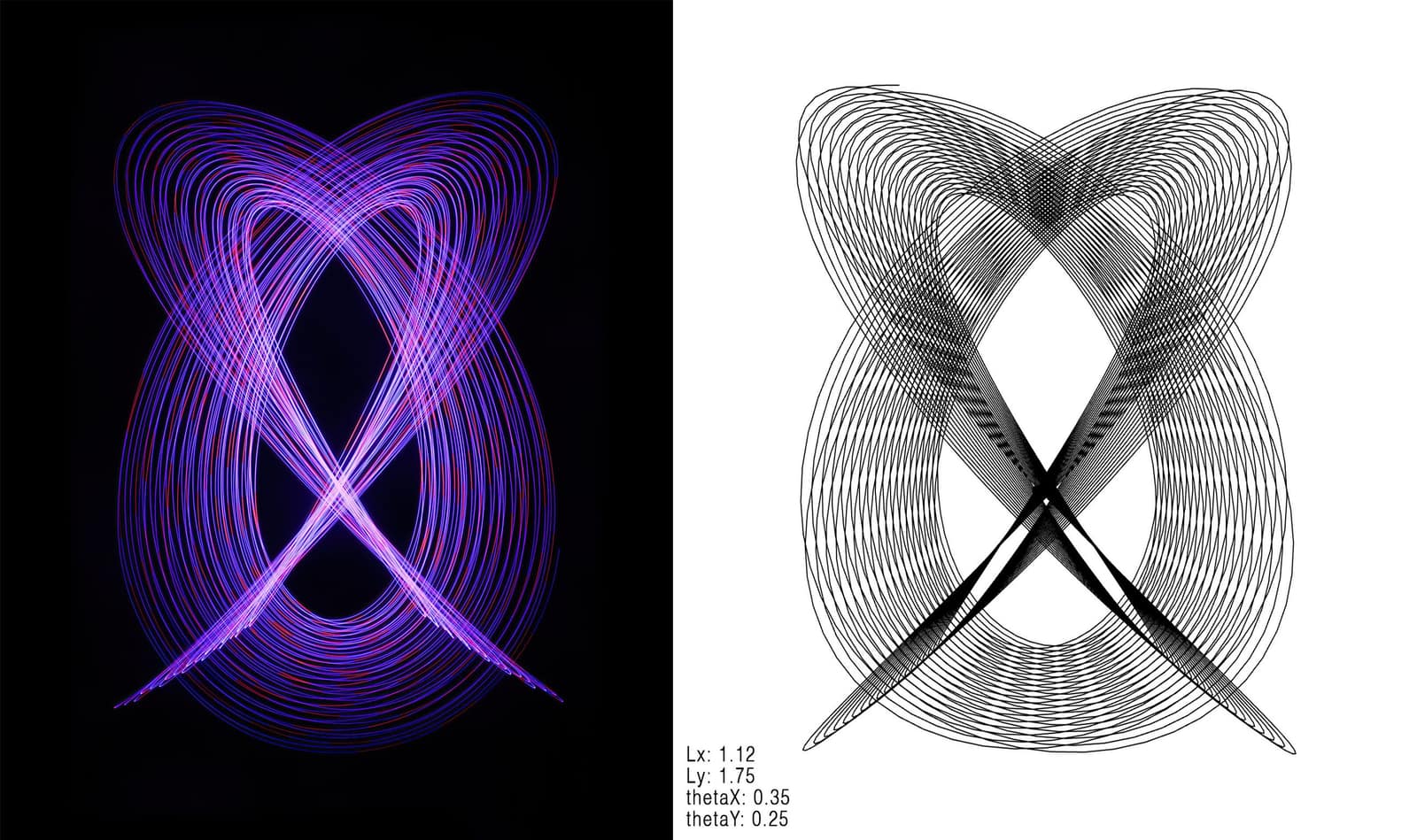
THE BLACKBURN PENDULUM
Most pendulums swing along one axis. A Blackburn pendulum swings in two, with one axis swinging at a faster rate than the other. When released together, they produce interferance patterns that fold into elegant designs known as Lissajous figures.
No motors. No effects. Just the raw outcome of natural ratios. It is a system that creates complexity from simplicity and rhythm from physics. What you see in this collection is that same system, modeled, coded, and reborn.
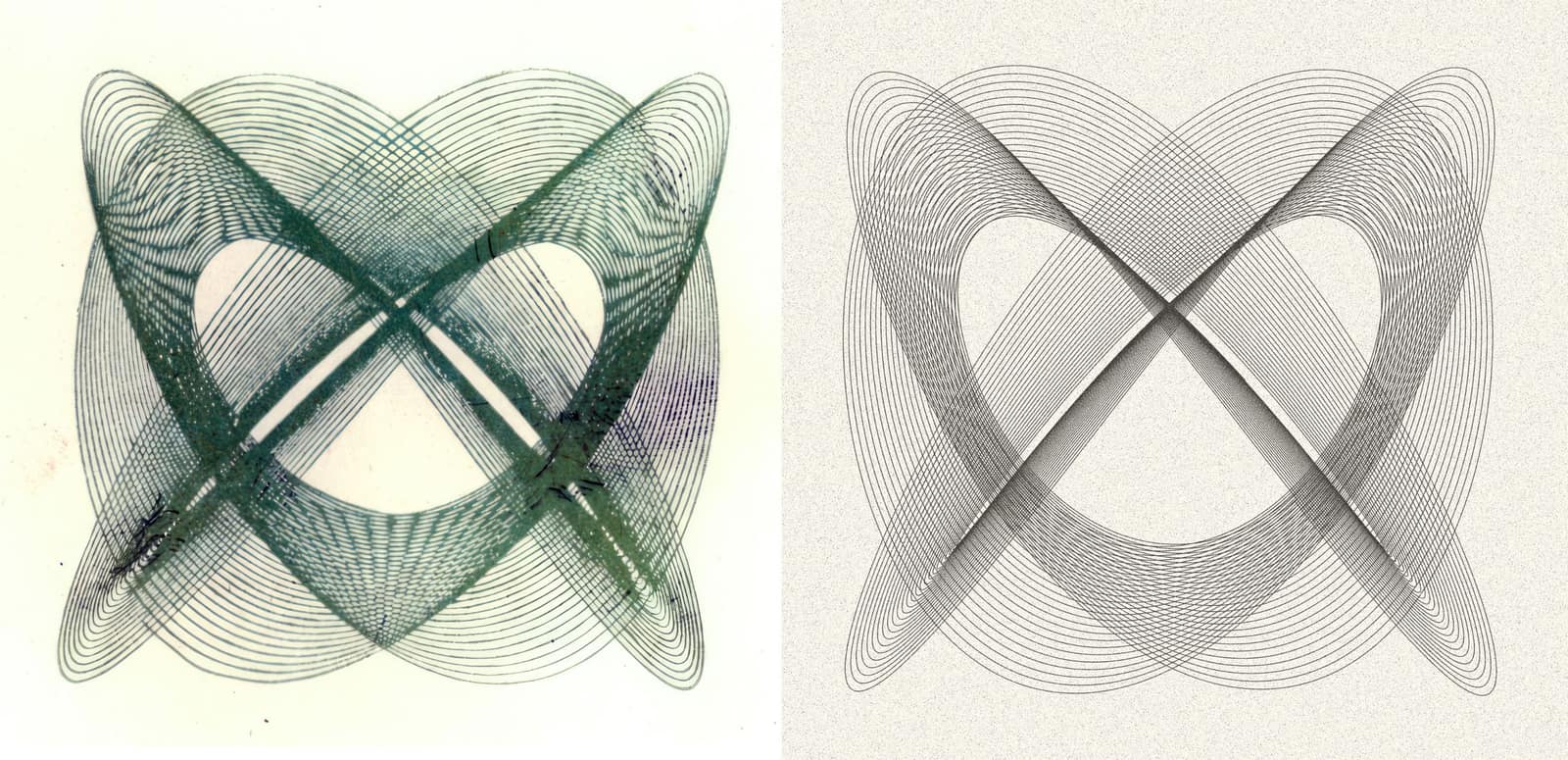
A SYSTEM WITH IMPERFECTIONS
This is not a clean or idealized simulation. It is a digital twin of the real thing, with damping, friction, asymmetry, and entropy. Each drawing is a fossilized memory of a system in motion, shaped by variables like period, amplitude, phase offset, and decay. Some systems swing cleanly. Others drift or collapse.
That tension, between precision and collapse, is where the beauty lives. The code does not simulate reality. It mirrors it.
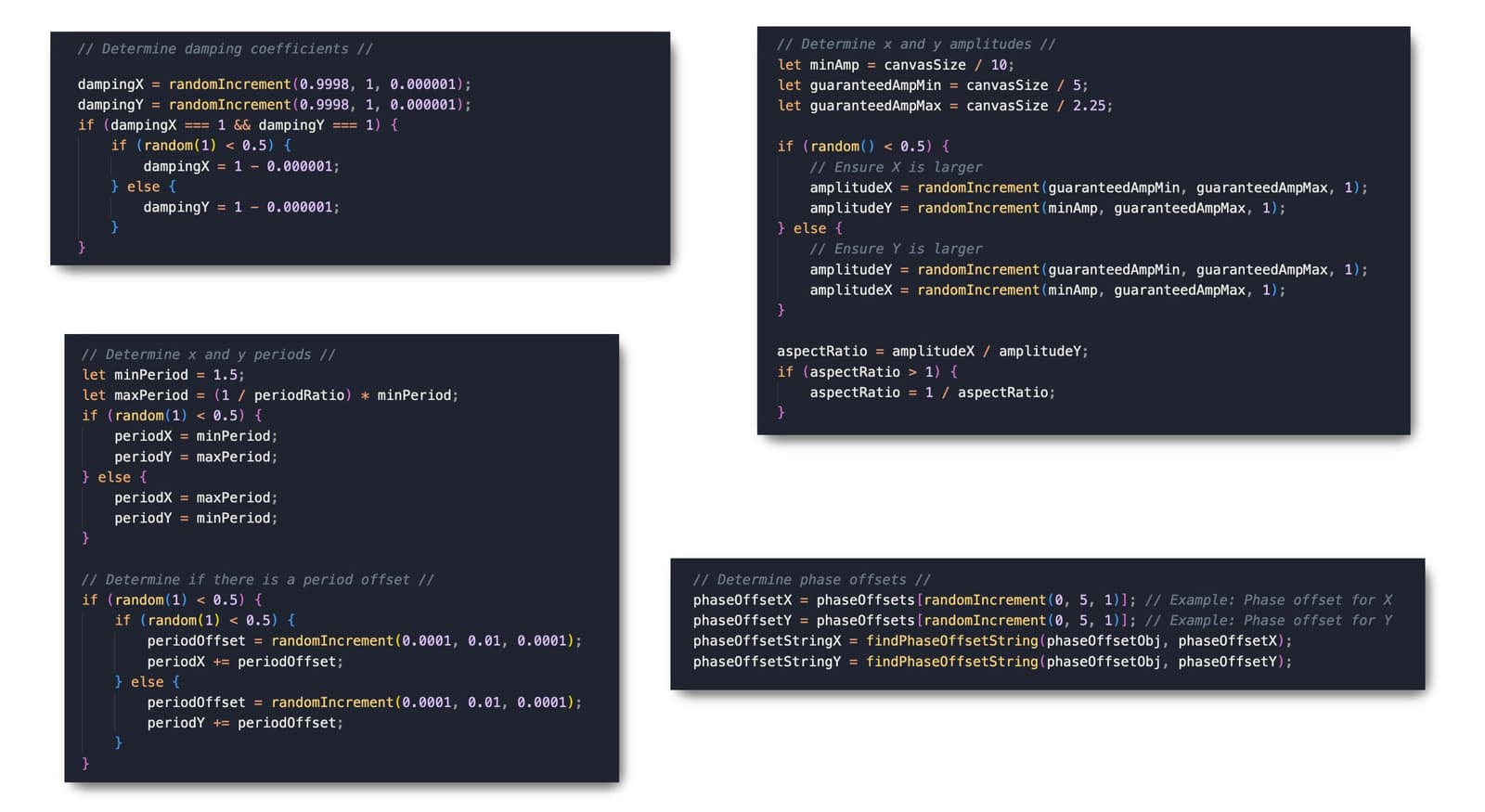
THE PERFECTION SCORE
Not all systems are equal. Some yield minimal, balanced loops. Others spiral into dense and expressive tangles.
To make the structure of the system visible, I created a rating method. Every piece starts with a score of 100. Deductions are applied for imperfections like asymmetry, imbalance, short runtimes, and high period offsets. Bonus points are awarded for elegant ratios with low least common multiples.
The result is a Perfection Score, and a System Rating from Emergent to Perfect. It does not dictate taste. It reveals the path the system took.
Emergent: below 60
Forming: 60-69
Proficient: 70-79
Notable: 80-84
Advanced: 85-89
Superior: 90-94
Perfect: 95+
Click the buttons below to see example outputs for each category:
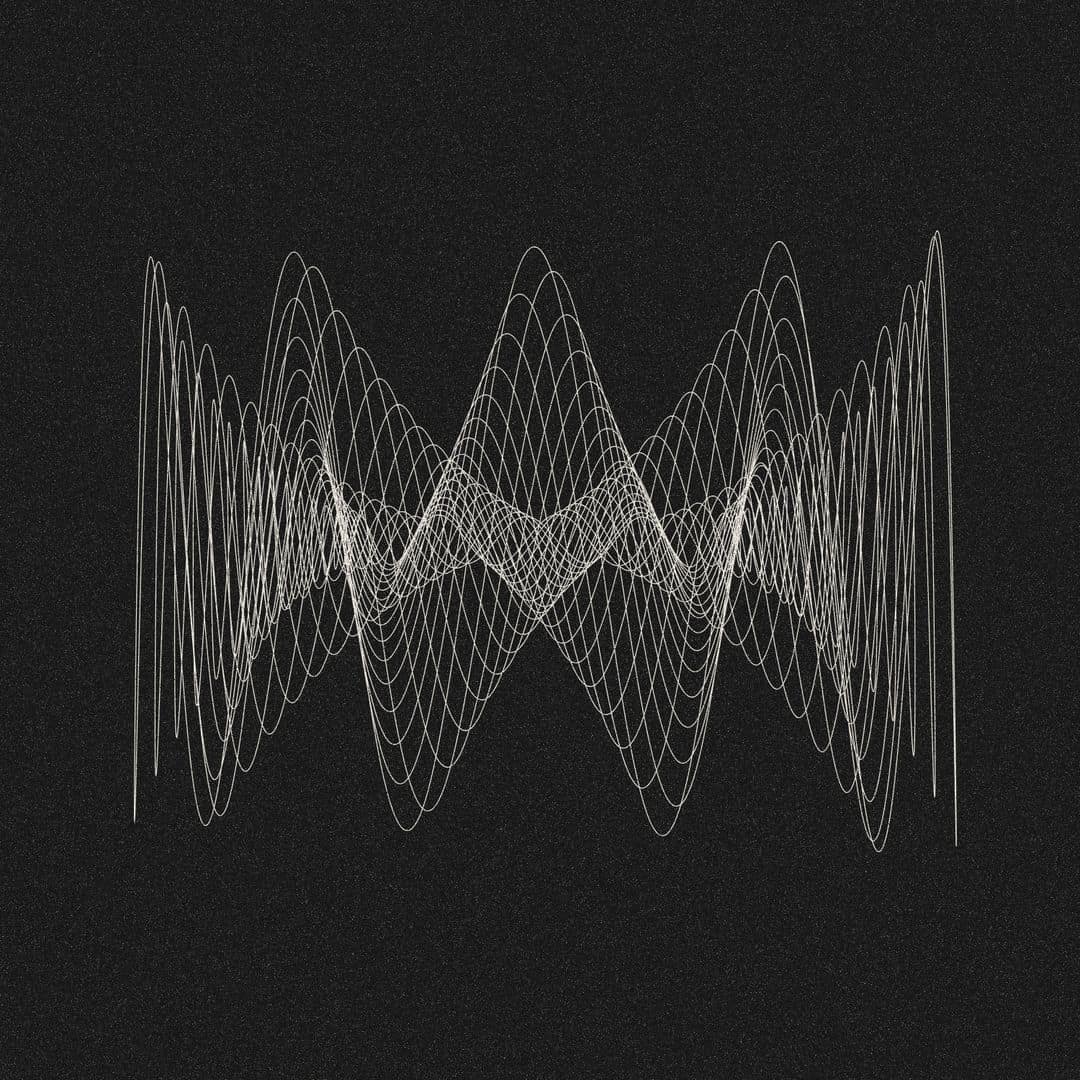
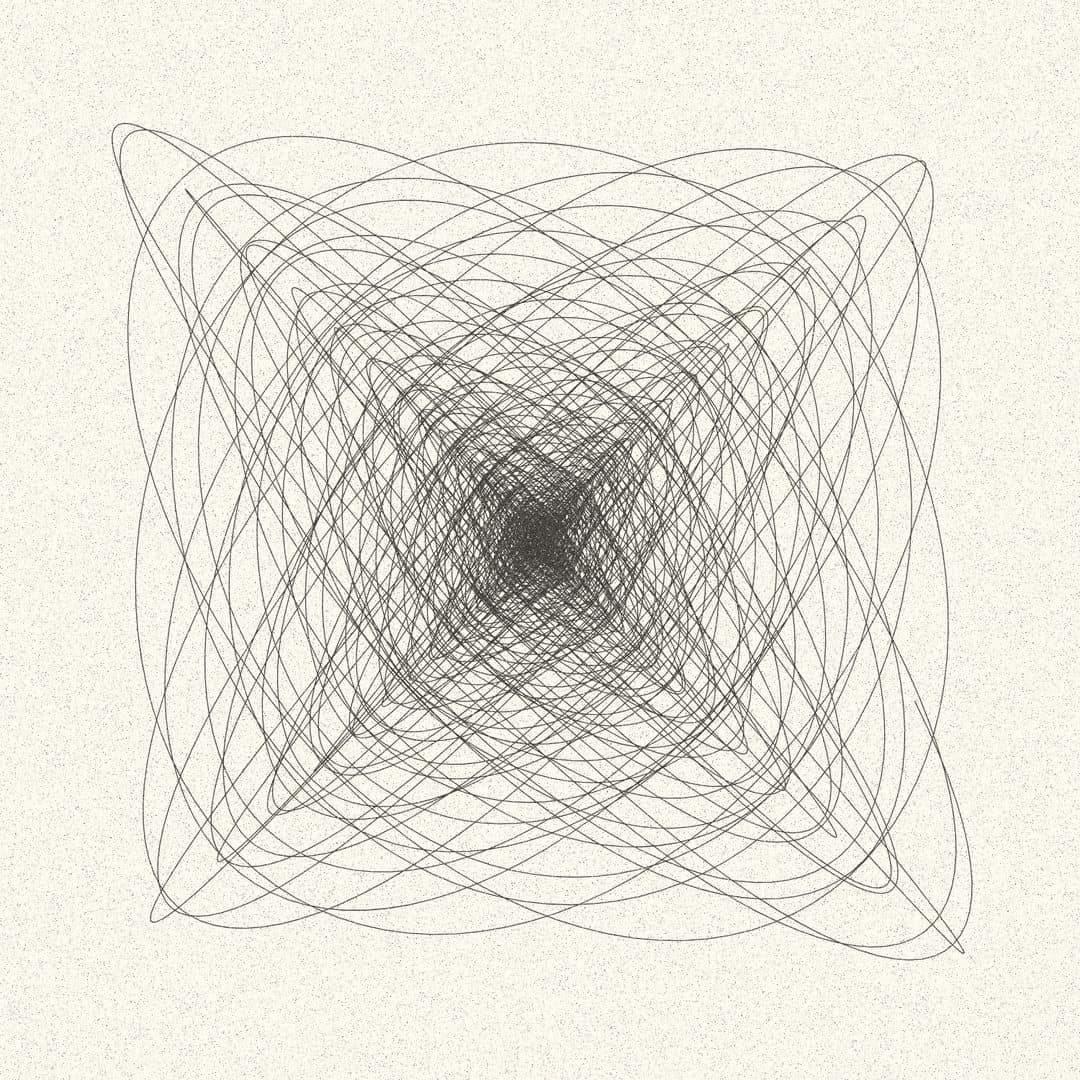
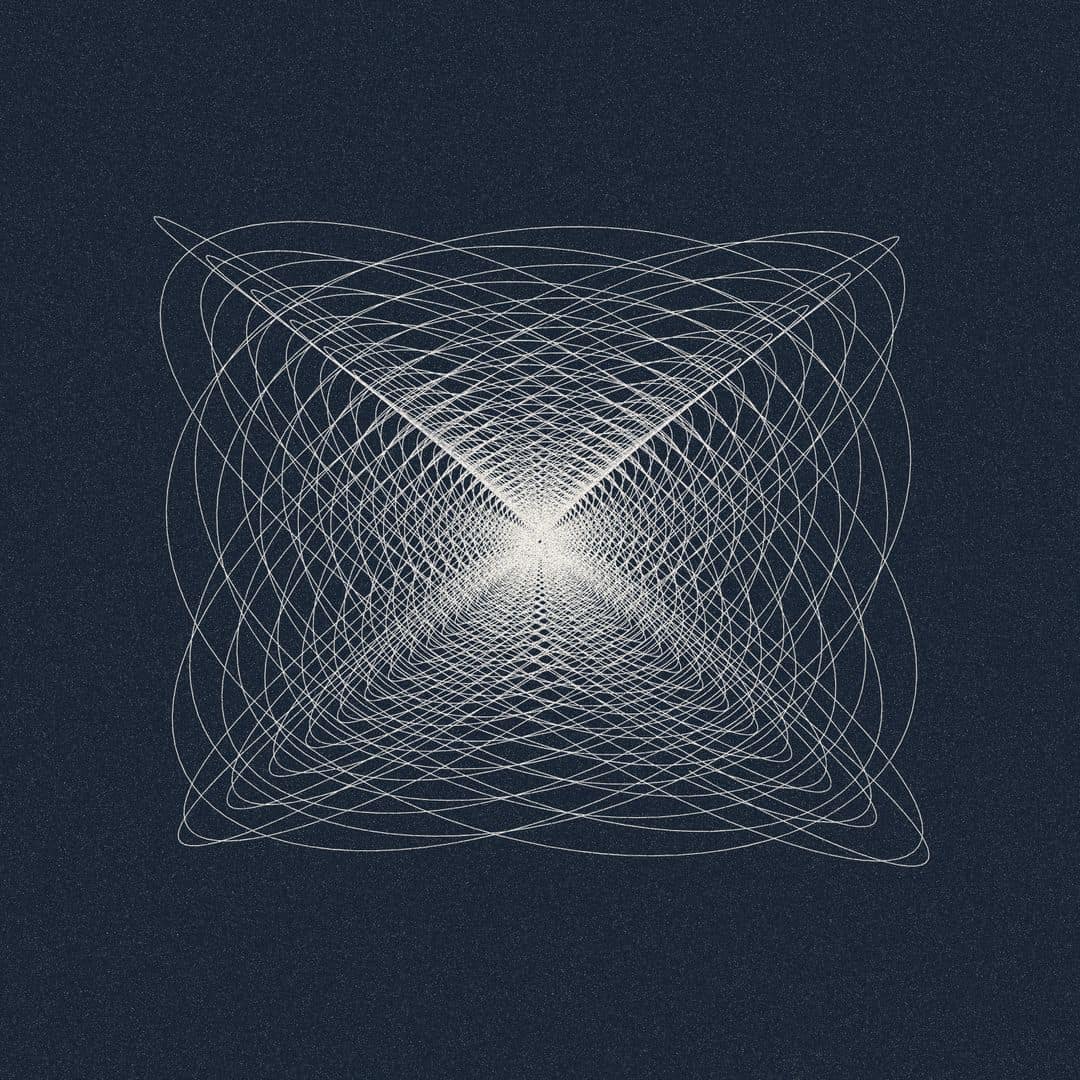
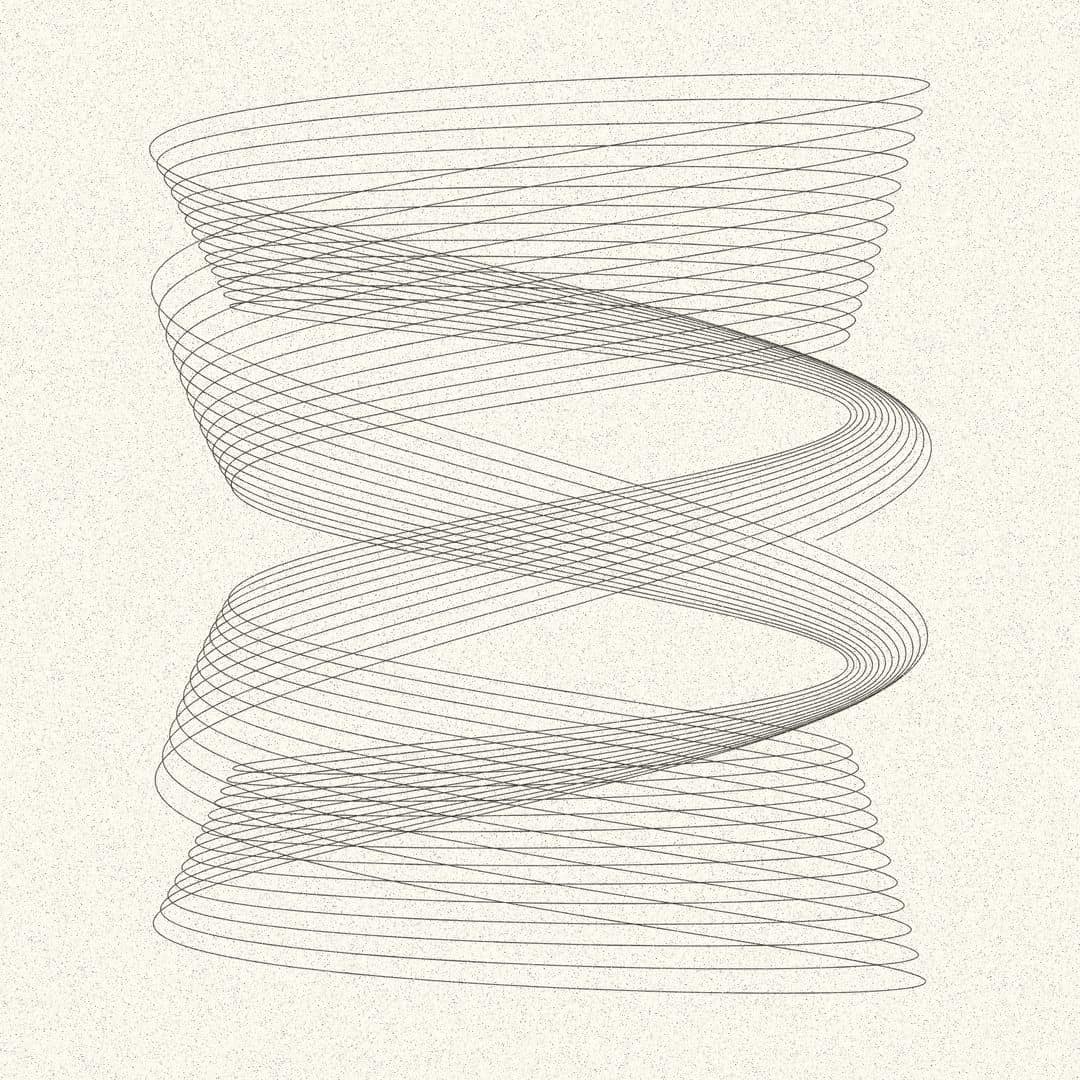
Example outputs for each of the 7 system perfection categories.
AN ACT THAT PERFORMS
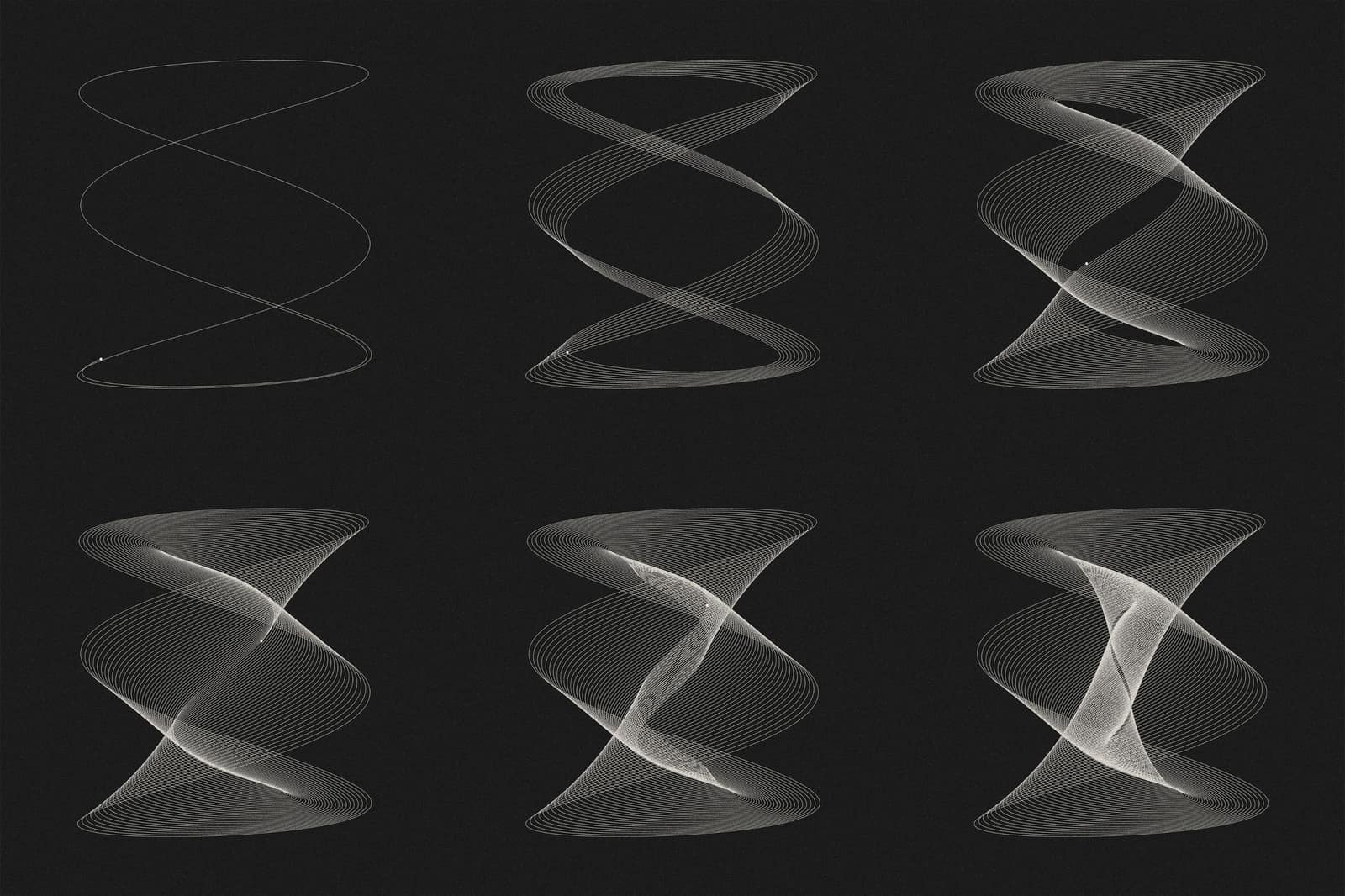
These are not just static images. Each piece animates itself in real time. When activated, the algorithm draws the artwork stroke by stroke using its own pendulum logic.
Some systems draw in under 30 seconds. Others take over 30 minutes. Once complete, the image erases itself and begins again. This loop continues indefinitely.
This is not a replay. It is the original system performing its own creation. What you are watching is motion encoded in code and expressed over time.
FROM THE UNIVERSE TO THE CANVAS
This project is not about randomness. It is not aesthetic trickery. It is the re-creation of physical law in code, rendered with just enough imperfection to make it human. The code does not pretend to be a pendulum. It is one.
Behind each image is a simulation unfolding in time. In animated mode, you are not watching a replay, you are watching the algorithm perform the drawing, governed by its own rules. The result is not a representation. It is a trace of motion. A system coming to rest.
This is Chapter II. The universe is the algorithm. The code is the pendulum. And you are the witness.